Seoul, Aug 18 (IANS) Key politicians of the rival parties in South Korea called for national unity on Tuesday as they marked the 17th anniversary of the death of former President Kim Dae-jung, pledging to uphold his democratic values.
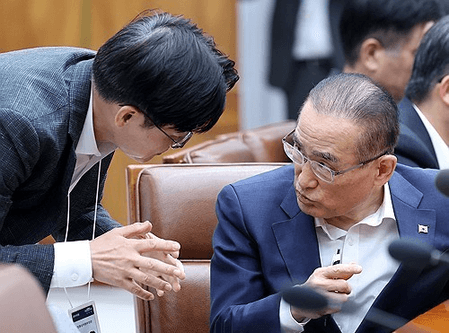
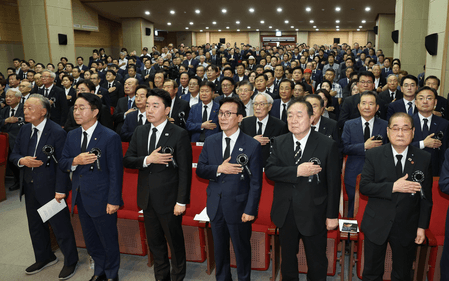
National Assembly Speaker Cho Jeong-sik, Kim Min-seok, the newly elected leader of the ruling Democratic Party (DP), and other key political figures attended a ceremony held at Seoul National Cemetery, where the former president is entombed.
"He defended democracy in the face of dictatorship, ultimately achieving a peaceful transfer of power and rebuilding the country's shattered economy," Cho said during the memorial service, stressing that the National Assembly will do its utmost to "carry on the president's spirit of unity and pragmatism."
"The National Assembly will take the lead in further strengthening democracy, protecting people's livelihoods and promoting peace on the Korean Peninsula," he said.
Kim, who was elected DP chief on Monday, attended the ceremony after paying his respects to the late former president at his grave, reports Yonhap news agency.
"Once your youngest chief of staff, I come before you today as the leader of the Democratic Party, following your footsteps," he said, calling for bipartisan efforts to honour and learn from the late president by transcending ideological divides.
Kim served as chief of staff to Kim Dae-jung in 2000 when the former president headed the Millennium Democratic Party, the predecessor of the current ruling party.
Rep. Jang Dong-hyeok, leader of the main opposition People Power Party (PPP), was initially scheduled to attend the ceremony but skipped it to visit flood-hit areas in South Gyeongsang Province.
PPP chief spokesperson Park Choong-kwon issued a commentary, urging parliament to uphold the values of dialogue and compromise that the former president had defended.
The late president, a longtime opposition leader and pro-democracy fighter, served from 1998 to 2003 and died in 2009. He is known for his contributions to democracy and efforts to improve ties with North Korea.
In 2000, he held the first-ever inter-Korean summit with then North Korean leader Kim Jong-il and won the Nobel Peace Prize for his efforts to promote democracy and reconciliation with Pyongyang.
--IANS
sd/