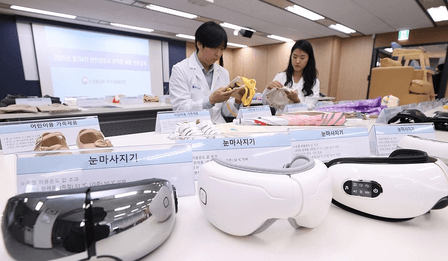
Seoul, Aug 10 (IANS) The number of products recalled in South Korea due to safety issues increased around 5 per cent in 2025 from a year earlier, data showed on Monday, amid an increase in hazardous imported goods sold on online marketplaces.
The Fair Trade Commission (FTC) said 2,656 recall cases were reported last year, compared with 2,537 in 2024, mostly because products violated the Framework Act on Consumers, reports Yonhap news agency.
The watchdog said the number of recall cases involving violations of the consumer act came to 851, rising around 42 percent from a year earlier, amid an increase in products that had already been recalled overseas being sold on domestic online marketplaces.
A recall refers to corrective actions taken by businesses, either voluntarily or in compliance with government recommendations or orders, to address product defects that pose or could pose harm to consumers.
"Considering the increase in hazardous imported goods sold locally amid a rise in direct purchases by consumers, (the FTC) is enhancing surveillance in cooperation with relevant agencies," the watchdog said.
"The government is promptly suspending sales of hazardous products subject to recalls overseas or those found to pose safety risks through safety tests by requesting online marketplace operators to block their sales," it added.
By category, recalls of industrial consumer goods totalled 1,282 cases in 2025, up 8.6 percent from the previous year.
Recalls of pharmaceutical products, including herbal medicines, fell 13.5 percent to 295 cases, while medical device recalls rose 8.5 percent to 308 cases.
Meanwhile, South Korea's fair trade watchdog vowed to impose fines on conglomerate heads when their business groups omit affiliates from regulatory filings to avoid antitrust rules.
The Fair Trade Commission (FTC) unveiled the plan in a report submitted for a policy briefing to President Lee Jae Myung earlier in the day, along with other policy initiatives, including measures to tackle price rigging.
Under the plan, heads of business groups could face fines of up to 10 percent of the larger of the combined assets or average annual sales of the omitted affiliates.
—IANS
na/